
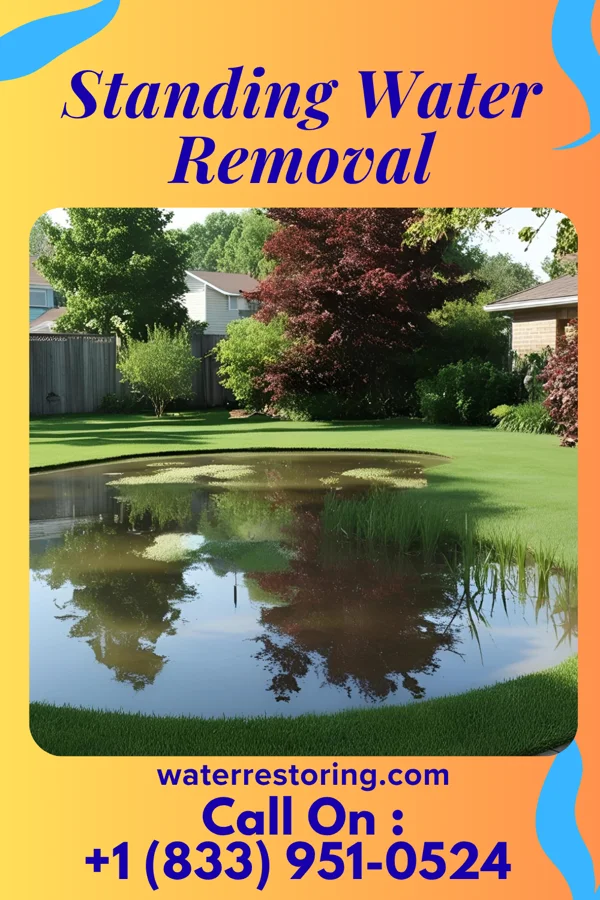
Why Llewellyn Park Sees Standing Water Often
The pattern in Llewellyn Park is consistent. In Llewellyn Park, New Jersey, water damage often stems from burst pipes, leaking appliances, and heavy rainfall due to the area's proximity to the Passaic River. The community's older infrastructure can also lead to unexpected water infiltration, especially during winter months when frozen pipes are more prone to bursting. drives most of the emergency restoration calls we get. A close second is Secondary causes include faulty sump pumps, overflowing gutters, and improper drainage around homes. Additionally, the area's rural setting can result in flooding from nearby waterways, particularly during severe weather events..
Llewellyn Park experiences a humid continental climate, with heavy spring and summer rains that can lead to localized flooding. The area's elevation and surrounding topography also contribute to water pooling in certain neighborhoods, increasing the risk of water damage.
Llewellyn Park experiences a humid continental climate, with heavy spring and summer rains that can lead to localized flooding. The area's elevation and surrounding topography also contribute to water pooling in certain neighborhoods, increasing the risk of water damage. The dominant local driver is In Llewellyn Park, New Jersey, water damage often stems from burst pipes, leaking appliances, and heavy rainfall due to the area's proximity to the Passaic River. The community's older infrastructure can also lead to unexpected water infiltration, especially during winter months when frozen pipes are more prone to bursting., with Secondary causes include faulty sump pumps, overflowing gutters, and improper drainage around homes. Additionally, the area's rural setting can result in flooding from nearby waterways, particularly during severe weather events. showing up as the next most common cause. Damage builds in stages. Spread. Absorption. Microbial growth. Structural compromise. Every stage you pass through adds to the final bill.
For public guidance on the health effects of mold after prolonged water exposure, see the EPA mold and health page.